A Quiet Interlude: Winter in Urabandai
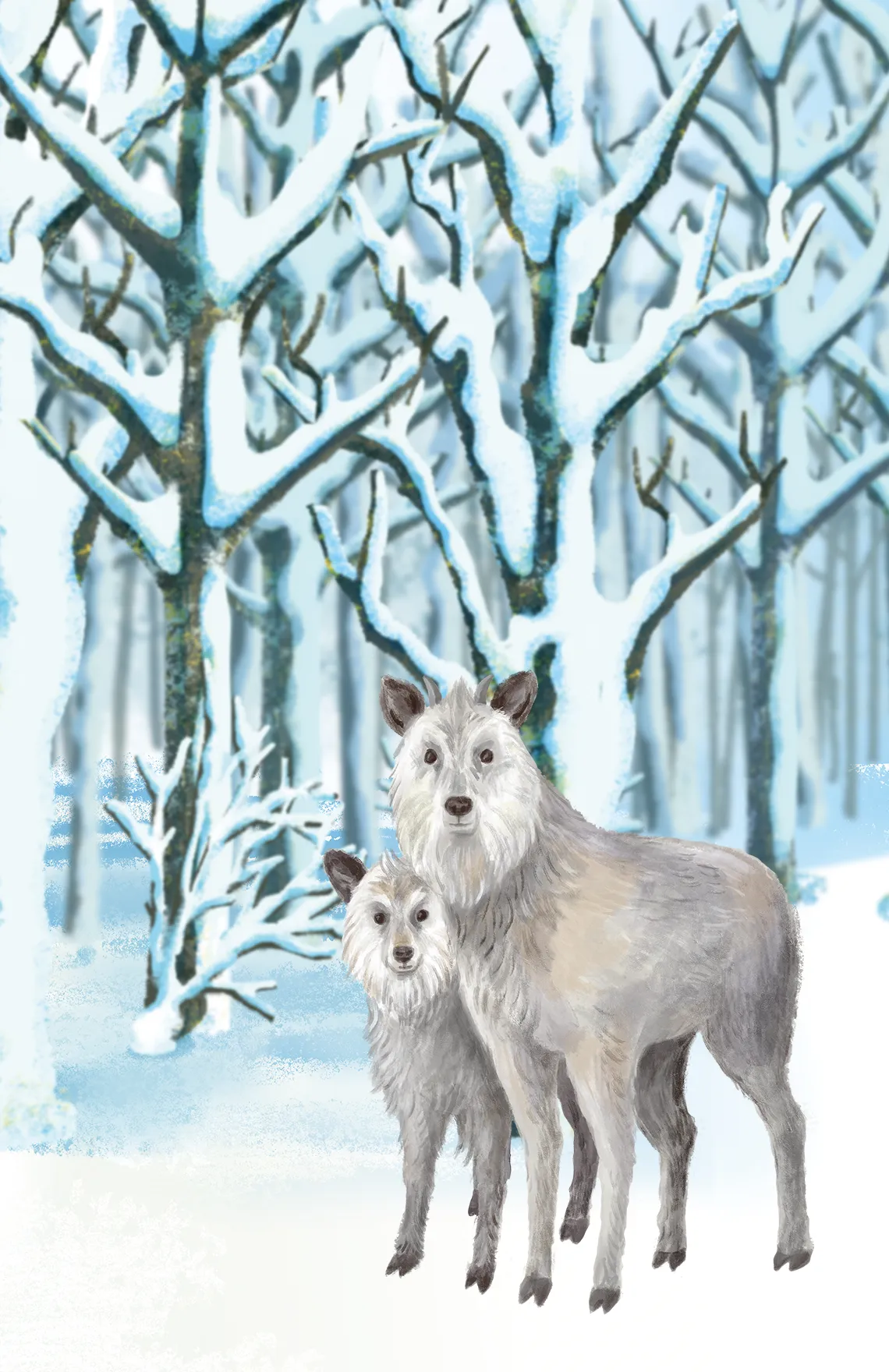
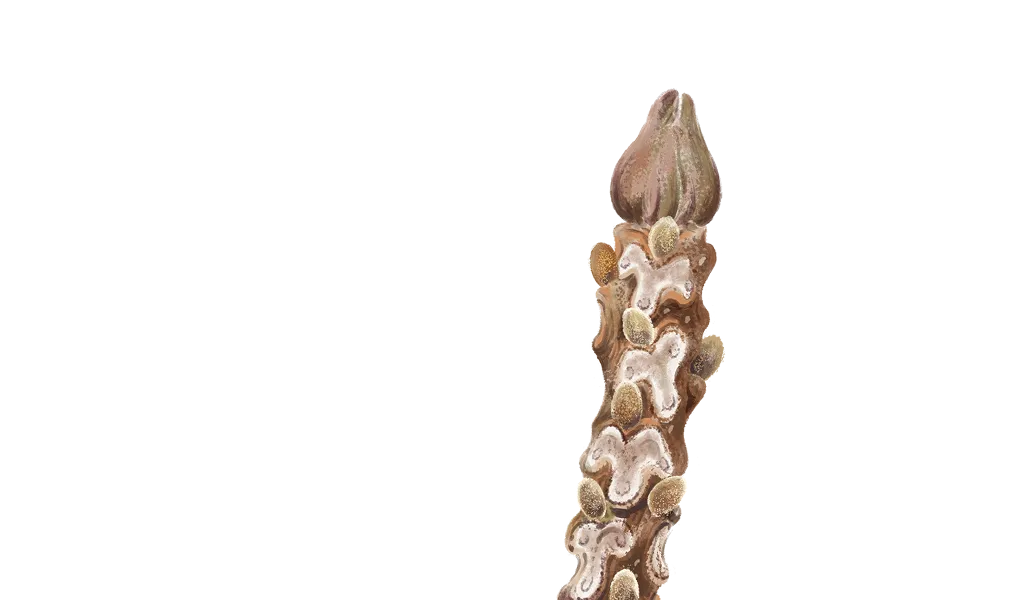
In winter, the trees shed their leaves and snow blankets the landscape, but the environment is far from barren. Buds emerge on the branches of walnut (Juglans ailantifolia) and elm (Ulmus davidiana var. japonica) trees, and on shrubs such as clethra (Clethra barbinervis) and rowan (Sorbus commixta).
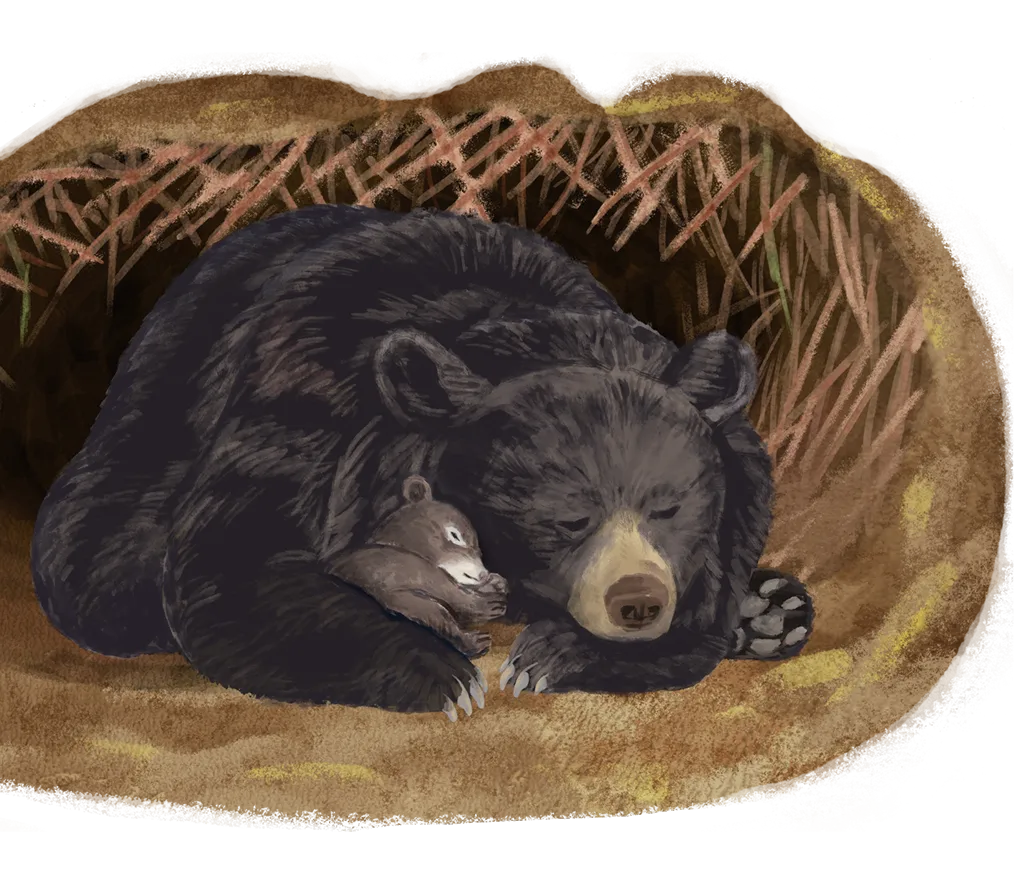
The Japanese black bear (Ursus thibetanus japonicus) retreats into a tree hollow, cave, or earthen den to hibernate. The timing depends on the climate and the amount of food available, but the typical hibernation period is between November and April. A bear’s metabolic rate slows during hibernation, enabling it to survive on its fat stores without any need to eat or defecate. Pregnant females wake up to give birth and nurse their cubs while remaining in a state of hibernation.

The migratory tundra swan (Cygnus columbianus) arrives in Urabandai in winter, foraging for the leaves and roots of aquatic plants in lakes and rivers. Common redpolls (Acanthis flammea) and Pallas’s rosefinches (Carpodacus roseus) can be seen flitting through the forests, their feathers creating streaks of red against the white snow and bare branches.